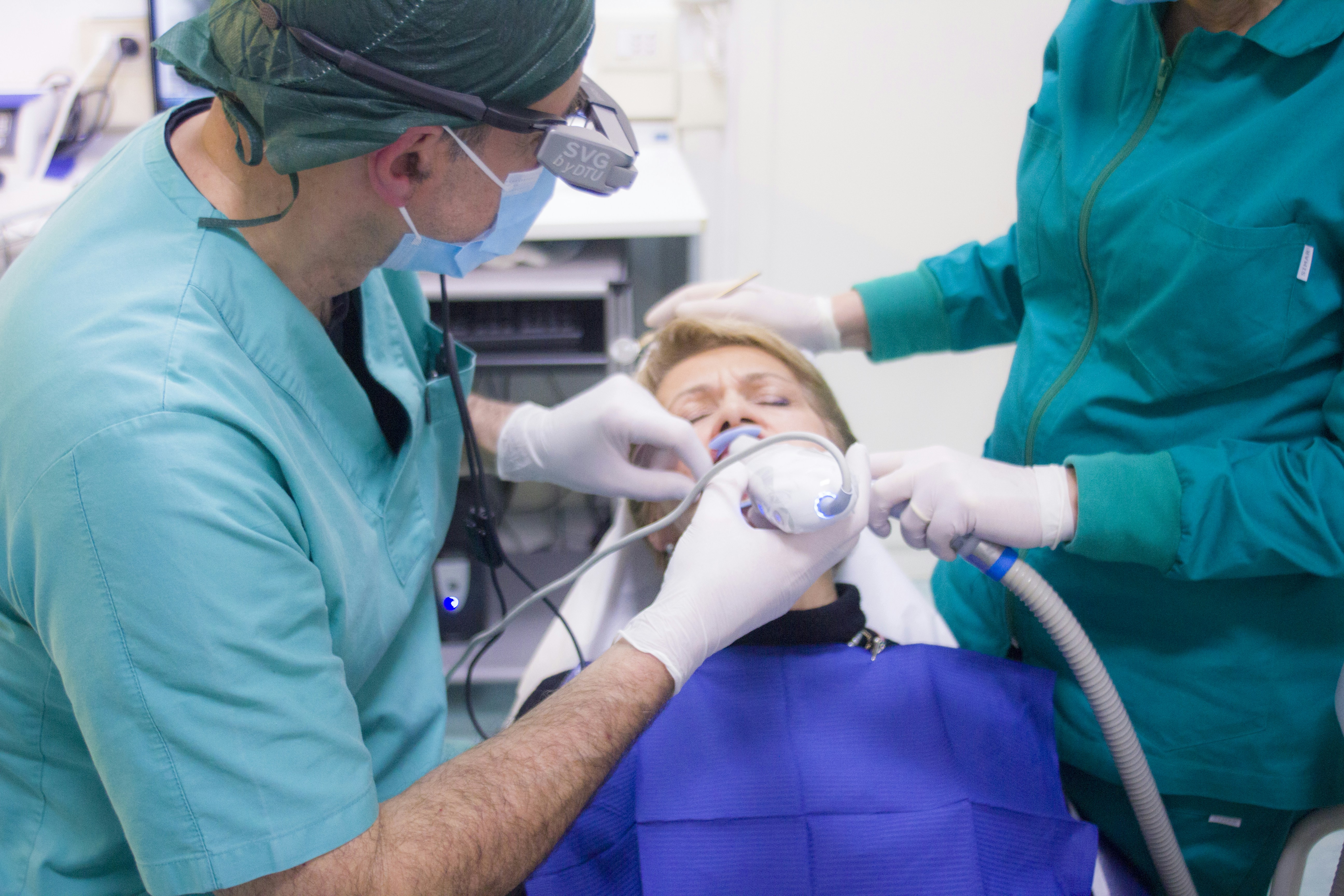
Introduction to Medicare and Dental Coverage
Medicare is a federal health insurance program designed primarily for individuals aged 65 and older, as well as certain younger people with disabilities. Established in 1965, it aims to provide access to healthcare services while minimizing financial burdens for older adults. Medicare consists of various components, commonly referred to as Parts A, B, C, and D, each covering different aspects of health care.
Part A generally focuses on inpatient hospital stays, skilled nursing facility care, hospice, and some home health care services. Part B, on the other hand, covers outpatient services, including doctor visits, preventive care, and certain medical equipment. Together, these two parts form the backbone of Medicare, ensuring that beneficiaries receive essential medical care.
However, one area where Medicare often falls short is dental care coverage. Unlike many other medical services, dental coverage is not typically included in Medicare. For beneficiaries seeking dental care, it is crucial to understand the limitations of their coverage. While some Medicare Advantage plans may offer additional dental benefits, Original Medicare does not provide routine dental care such as cleanings, fillings, or extractions. The absence of comprehensive dental coverage can lead to significant out-of-pocket expenses for services that are needed for maintaining dental health.
Additionally, the reliance on separate dental insurance plans can further complicate matters for Medicare beneficiaries. Understanding these nuances is paramount, as dental health is intrinsically linked to overall health. Consequently, individuals should carefully review their options for dental coverage in conjunction with their Medicare plans to ensure adequate protection against potential health risks associated with poor dental care.
Types of Dental Services
Dental services can be broadly categorized into three main types: preventive, basic, and major dental services. Understanding these classifications is crucial for beneficiaries of Medicare, as it can directly influence their coverage options and out-of-pocket expenses.
Preventive dental services include routine check-ups, cleanings, and fluoride treatments. These services are designed to avert the development of dental issues and to promote oral health. Typically, preventive care focuses on the early detection of cavities and other dental conditions through regular examinations and prophylaxis. It is essential to note that Medicare generally does not cover preventive dental services, leaving beneficiaries responsible for these costs.
Basic dental services encompass services such as fillings, extractions, and root canals. These services often address issues that arise from neglected oral health and can help restore dental function. While Medicare might provide some limited coverage options for basic dental procedures that are deemed medically necessary, it typically does not cover most routine basic dental services, leading to greater out-of-pocket expenses for beneficiaries.
Major dental services include prosthetic devices like crowns, bridges, and dentures, as well as surgical procedures such as jaw surgery. These are more extensive treatments that are often required as a result of significant oral health problems. Similar to preventive and basic services, major dental services are usually not covered by Medicare unless they are related to an essential medical necessity, further emphasizing the limitations on Medicare’s dental coverage.
In summary, while Medicare provides a wide range of health benefits, its coverage for dental services is quite limited. Beneficiaries seeking comprehensive oral care may need to look at supplemental insurance options or alternative plans that offer better dental service coverage.
Original Medicare vs. Medicare Advantage Plans
When it comes to dental coverage, there are significant differences between Original Medicare and Medicare Advantage Plans that beneficiaries should recognize. Original Medicare, which comprises Part A and Part B, does not typically include dental care as part of its standard benefits. This means that routine dental check-ups, cleanings, and procedures such as fillings or extractions are generally not covered. Beneficiaries of Original Medicare who desire dental coverage often have to purchase a separate dental insurance policy to meet their oral health needs.
On the other hand, Medicare Advantage Plans, also known as Medicare Part C, are offered by private insurance companies and can provide additional benefits beyond what Original Medicare covers. Many Medicare Advantage Plans do offer dental coverage as part of their packages, which can include routine services like exams, cleanings, and sometimes even more complex procedures. However, the extent of dental coverage can vary widely between different Medicare Advantage Plans, making it important for beneficiaries to examine their specific plan options carefully.
Furthermore, these Advantage Plans may offer added benefits, such as vision and hearing coverage, which can enhance overall health and well-being. It’s important to compare the different plans available in your area to determine which one meets your dental and other health care needs effectively. In addition, some plans may impose restrictions regarding the providers or facilities in which beneficiaries can obtain dental services, which further underscores the need for careful consideration when selecting a plan.
Preventive Dental Care Under Medicare
Medicare, the federal health insurance program primarily for individuals aged 65 and older, does not typically cover routine preventive dental care. This includes services such as regular check-ups, cleanings, and x-rays, which are essential for maintaining optimal oral health. Although preventive dental care is a vital aspect of overall health, Medicare’s strict guidelines limit its coverage primarily to necessary medical services.
Under Medicare, dental care is generally classified into two categories: those services that are directly related to medical treatment and those that are considered routine dental care. Notably, Medicare Part A does cover certain dental services if they are performed in a hospital setting and are related to the treatment of a medical condition. For example, if a dental procedure is required to prepare a patient for surgery or to treat an underlying health issue, Medicare may provide coverage. However, this does not extend to preventive dental care such as cleanings or exams.
Individuals seeking preventive dental care are encouraged to explore supplementary insurance options or Medicare Advantage plans, which may offer an alternative pathway to obtaining coverage for these services. Many of these plans include dental benefits that cover routine check-ups, cleanings, and other essential preventive services. As insurers often have varying levels of coverage, it is advisable for beneficiaries to thoroughly review their policy details to ascertain the extent to which preventive dental care is included.
In understanding the limitations of Medicare, it is clear that seeking preventive dental care requires planning and the exploration of additional insurance solutions. This proactive approach will ensure individuals can access the dental services necessary to support their long-term health and well-being.
Situations Where Dental Services Might Be Covered
While Medicare is primarily designed for medical coverage, certain situations allow for dental services to be covered under specific conditions. For instance, when dental procedures are deemed necessary to treat an underlying medical condition, Medicare may provide coverage. One of the most notable scenarios involves patients undergoing treatment for jaw reconstruction due to a significant traumatic injury or surgical intervention for cancer. Such conditions necessitate dental intervention to ensure proper healing and restoration of function.
Additionally, Medicare may cover dental services when they are deemed necessary prior to a medical procedure. For example, if a patient requires heart surgery, dental evaluations and treatments may be essential to mitigate the risk of infection or complications during and after the surgery. This highlights the intersection of oral health and overall health, as untreated dental issues can have a significant impact on a patient’s recovery.
Moreover, dental procedures that relate directly to certain medical diagnoses might be eligible for coverage. For instance, individuals diagnosed with diabetes may require dental care to manage gum disease, which in some cases could be covered by Medicare. It is crucial for beneficiaries to understand that coverage is often limited to specific cases and necessitates proper documentation and justification from healthcare providers.
Additionally, if a dental procedure is performed in conjunction with a hospitalization, there are instances where Medicare will cover the dental costs associated with that inpatient stay. This is particularly applicable in emergencies or when dental treatment is directly linked to treating a serious medical condition. Therefore, while Medicare does not generally cover routine dental care, understanding the conditions under which it may provide coverage is vital for beneficiaries seeking dental care.
Enrollee Options for Dental Coverage
For Medicare enrollees requiring dental care, navigating coverage options is essential, as original Medicare (Part A and Part B) typically does not include dental services. However, there are several alternatives available for individuals seeking dental coverage.
One option for enrollees is to consider Medicare Advantage plans (Part C). These plans are offered by private insurance companies and often include additional benefits not covered by original Medicare, such as dental, vision, and hearing care. Many Medicare Advantage plans provide a limited range of dental services, including preventative care like cleanings and exams, as well as some restorative services such as fillings or extractions. The extent of dental coverage varies significantly among different Medicare Advantage plans, so enrollees should thoroughly review their options to understand what is included.
An alternative route is to opt for supplemental dental insurance. Several standalone dental insurance policies are specifically designed for Medicare beneficiaries. These plans often offer a broader array of dental services at an affordable monthly premium. Beneficiaries can choose from a variety of plans that cater to different needs, from basic cleanings to comprehensive dental procedures. It’s important to note that these plans may have waiting periods for certain services and may impose limits on annual coverage.
Furthermore, Medicare enrollees can explore discount dental plans, which provide members with a network of dentists and discounted fees. These types of plans typically do not have a monthly premium but may require an out-of-pocket payment each time dental care is provided.
In conclusion, while original Medicare does not cover dental care, enrollees have various options to consider for obtaining necessary dental services, including Medicare Advantage plans, supplemental dental insurance, and discount dental plans, each bringing unique features to suit individual needs.
Medicare Dental Coverage Resources
For individuals seeking further information regarding dental coverage under Medicare, there are numerous resources available to guide them through the complexities of the program. The official Medicare website is a reliable starting point, providing comprehensive details regarding what services are covered and the limitations associated with dental care. Prospective beneficiaries can visit Medicare.gov to access a wealth of information, including explanations of dental benefits under Medicare and frequently asked questions.
Moreover, state health departments often maintain sections on their websites focused on Medicare. These sites can offer insight into additional resources available at the state level. Individuals are advised to contact their local Medicare office, where representatives can guide them toward specific services, educational materials, and eligibility requirements tailored to their circumstances.
To find dental providers that accept Medicare, beneficiaries can utilize tools such as the Physician Compare tool, which allows users to search for healthcare professionals, including dentists, based on location and acceptance of Medicare. It’s advisable to confirm directly with dental practices whether they accept Medicare, as some might not be in-network providers.
In addition to official Medicare resources, numerous non-profit organizations focus on dental care accessibility. Websites like the National Association of Chronic Disease Directors (NACDD) offer databases of dental providers, along with support information for seniors and individuals with disabilities seeking dental care.
Utilizing these resources can significantly aid Medicare beneficiaries in navigating their options for dental health services while facilitating informed decisions about their healthcare needs.
Common Misconceptions About Medicare and Dental Care
When it comes to dental care, many beneficiaries of Medicare hold various misconceptions about the type of coverage offered by this program. A frequently held belief is that Medicare provides comprehensive dental care, akin to what private insurance policies might include. In reality, Medicare often does not cover routine dental procedures such as cleanings, fillings, or dental extractions. Understanding these limitations is crucial for beneficiaries managing their healthcare costs.
Another common myth is that Medicare offers an alternative for dental emergencies. While it’s true that Medicare Part A may cover certain dental procedures performed in a hospital setting if they are medically necessary, this coverage does not apply to many dental situations that might be considered urgent. For instance, a procedure designed only for the treatment of a dental condition rather than being medically essential is typically not reimbursed. This implies that beneficiaries should not expect Medicare to provide financial backing for common dental issues.
A third misunderstanding is that enrolling in Medicare automatically includes dental insurance. In fact, Medicare’s primary function is to protect against specific health care costs, centering mostly on hospital stays and outpatient services. As such, individuals must seek additional dental insurance policies to cover a broader range of dental services. Some Medicare Advantage plans do offer supplemental dental coverage; however, these benefits can vary significantly between plans, and not all Medicare Advantage options include dental care.
Overall, dispelling these myths is essential for managing expectations related to Medicare’s role in dental services. Understanding the actual provisions can empower beneficiaries to make informed decisions about their dental care and explore appropriate additional coverage options that can meet their needs.
Conclusion and Recommendations
In evaluating Medicare’s coverage of dental care, it is evident that the program primarily offers limited benefits. Standard Medicare plans, such as Part A and Part B, do not cover routine dental services such as cleanings, fillings, and extractions. However, specific oral health treatments related to medical conditions may qualify for coverage under Part A if they are performed in a hospital. Additionally, Medicare Advantage plans can offer expanded dental benefits, but these can vary significantly by provider.
When navigating dental care needs while enrolled in Medicare, beneficiaries are encouraged to take proactive steps. First, it is advisable to thoroughly review any Medicare Advantage plans available, as these plans may include comprehensive dental coverage tailored to individual needs. Understanding the differences in coverage and cost-sharing is crucial for making informed decisions.
Another recommendation is to consider obtaining supplemental dental insurance. Standalone dental plans can fill gaps left by Medicare, allowing for coverage of essential routine services that promote overall oral health. Furthermore, maintaining regular communication with healthcare providers can help individuals determine the scope of covered services, ensuring that they receive necessary treatments without unexpected financial burdens.
Choosing dentists who participate in these plans or provide a fee schedule can also ease financial concerns. Keeping a regular schedule for dental visits not only supports better dental health but may also minimize unforeseen costs in the future. Awareness and proactive management of dental care can significantly enhance one’s quality of life while navigating the complexities of Medicare.